Creating a safe, soothing, and healthy environment for a baby’s nursery is often a top priority for parents. Among the devices recommended by pediatricians, humidifiers have become a popular choice due to their ability to improve air quality and support better sleep. However, many parents remain unsure about how and when humidifiers should be used, which type is safest, and whether they are suitable for Indian climates.
This comprehensive guide has been created to explain everything parents need to know about nursery humidifiers, including their benefits, risks, placement rules, climate considerations, and expert-recommended practices.
What Is a Humidifier for Babies?
A humidifier is a device designed to increase the moisture level (humidity) within a room. When placed in a nursery, it helps maintain optimal air moisture so that breathing becomes easier for the baby. Humidifiers are especially useful during illnesses, dry seasons, or in regions where atmospheric humidity levels drop below healthy limits.
Moist air is known to soothe irritation in the nasal passages, relieve congestion, and reduce dryness of the skin. For babies with sensitive skin or respiratory discomfort, this improved environment can bring significant relief.
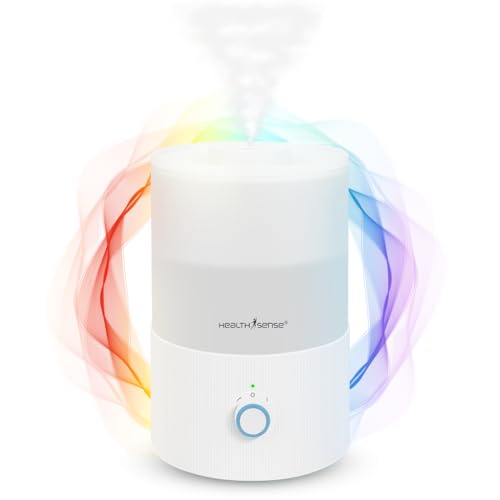
- 3.3L Large Capacity Humidifier for Home & Bedroom: Enjoy long-lasting moisture with a large 3.3L water tank that deliver…
- Ultrasonic Cool Mist for Dry Air, Cough & Sinus Relief: This ultrasonic air humidifier improves air quality by relieving…
- Aroma Diffuser with 7-Color LED Night Light: Enhance your space with soothing LED lights and aromatherapy. Add essential…

- FAST AND POWERFUL RELIEF: This cool mist humidifier is made with 200ml/h powerful output, helping you quick relief in mi…
- IDEAL HUMIDIFIER FOR BEDROOM: Single refill of water that lasts overnight.
- JUST THE RIGHT SIZE: Not too big or small, it is designed in a compact size, and provides ideal coverage for all areas o…
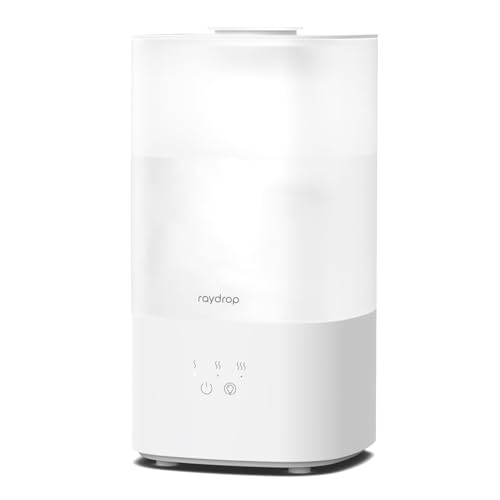
- LONG-LASTING COMFORT: Relieve congestion, coughing, and dry skin with up to 30 hours of continuous moisture from a 2.5L …
- FILL & CLEAN WITH EASE: This humidifier features a top-fill design that makes it easy to fill and clean.
- 2-IN-1 HUMIDIFIER AND DIFFUSER: Humidify your space and infuse it with a few drops of your chosen essential oils. Double…

- Fast Humidification all Night : Runs for up to 32 hours on low thanks to its SUPER LARGE capacity of 4 liters. The sooth…
- Easy Top-Fill Design : HEALTHSENSE listened to feedback from humidifier customers and upgraded to a easy top-fill design…
- Much Easier for Cleaning : Easily clean the inside of the tank through its big opening. The detachable designs and simpl…
Main Types of Humidifiers Used for Babies
Although many varieties exist in the market, humidifiers are generally grouped into two major categories.
1. Cool-Mist Humidifiers (Recommended for Babies)
Cool-mist humidifiers release a light, invisible mist into the air without using heat. Because there is no risk of burns, they are widely recommended by pediatricians for nurseries.
Benefits:
- No hot water or steam → safer for infants
- Suitable for year-round use
- Effective for cold, cough, allergies, and dry skin
Example:
A baby suffering from nasal congestion due to winter dryness can experience easier breathing when a cool-mist humidifier is used overnight.
2. Warm-Mist Humidifiers (Steam Vaporizers)
Warm-mist humidifiers heat water to produce steam. Although the steam is germ-free, the presence of hot water makes this device unsafe around babies.
Risks:
- Burns if tipped over
- Hot steam injuries
- Not recommended for nurseries
Example:
If a toddler accidentally touches the steam vent of a warm-mist humidifier, a burn injury may occur instantly due to close-range heat exposure.
When and Why a Humidifier Should Be Used
Humidifiers are not required throughout the year. They are most beneficial only when the air becomes excessively dry or when certain symptoms are observed in a baby.
When Humidifiers Are Most Useful
1. During Cold and Flu Season
Moist air loosens mucus and makes breathing easier. Babies with colds, stuffy noses, or coughs often sleep better when humidity is increased.
2. In Dry Climates or Dry Seasons
Winter months, especially in northern India, can reduce indoor humidity significantly due to the use of room heaters.
3. When Signs of Air Dryness Are Visible
Dry air can affect a baby’s skin, breathing patterns, and sleep quality.
How to Know if the Air in the Nursery Is Too Dry
Parents can observe simple signs to determine whether the nursery air lacks moisture.
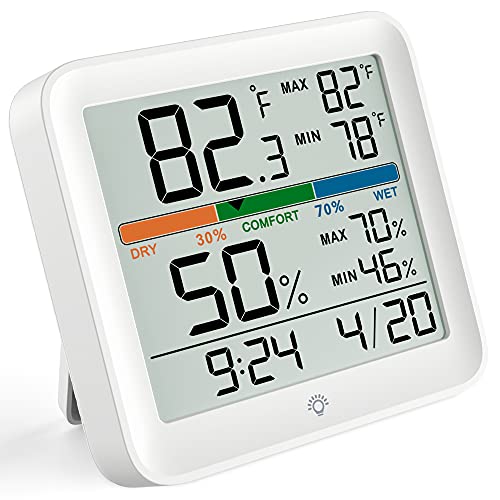
- Large LCD screen and backlight: size 3.6 x 3.4 x 0.94 inches, improved hygrometer thermometer with 3.7 inch LCD display,…
- Max and min within 24 hour records: the digital thermometer shows max and min humidity and temperature records for the l…
- Accurate and quick update: the indoor thermometer refreshes every 10 seconds to provide you with the last readings with …
Signs of Dry Indoor Air in Babies
| Sign | Description |
|---|---|
| Nasal Congestion | Stuffy nose or difficulty breathing even without illness |
| Dry Skin / Chapped Lips | Flaky skin, eczema patches, cracked lips |
| Dry Cough | Hacking, non-productive cough |
| Waking Often | Discomfort leading to frequent nighttime fussiness |
A hygrometer can be used to measure humidity levels. The ideal indoor humidity for a baby’s room is 40% to 60%.
Humidifiers and Baby Sleep: Safety Guidelines
One of the most frequently asked questions by parents involves the safety of running a humidifier while the baby is sleeping.
Is It Safe for a Baby to Sleep With a Humidifier On?
Yes, a cool-mist humidifier is generally considered safe for overnight use. It helps maintain breathing comfort, prevents dryness, and supports uninterrupted sleep.
Can a Humidifier Be Left On All Night?
Yes. Running a cool-mist humidifier through the night is recommended during:
- Colds
- Dry seasons
- Winter months
- Situations where humidity is below 40%
Is Using a Humidifier Every Night Safe?
It is advised to use a humidifier only when necessary. Humidity should remain within the 40–60% range. Excess moisture can lead to mold growth or respiratory irritation.
Where to Place a Humidifier in a Baby’s Room
Placement plays a major role in both safety and effectiveness.
Rules for Proper Placement
1. Distance from Baby
A minimum of 4 to 6 feet distance from the crib is recommended.
This prevents bedding from becoming damp and reduces mold risk.
2. Height Level
The humidifier should be kept on:
- A stable table
- A dresser
- A high shelf
The baby should not be able to reach or pull it down.
3. Mist Direction
The mist should never be aimed directly at the crib. This prevents:
- Excess moisture accumulation
- Cold sensation on the baby
- Damp bedding
Example:
Placing a humidifier on a drawer chest ensures elevated height, safe distance, and even room-wide humidity.
Humidifiers and the Indian Climate
India’s climate varies greatly by region, so humidifier usage depends on seasonal and geographic conditions.
Is a Humidifier Good for Babies in India?
The usefulness of humidifiers in India depends on humidity levels.
1. Helpful in Dry / Winter Months
Northern states like Delhi, Rajasthan, Punjab, and Haryana often experience extremely dry winter air. Babies may benefit from cool-mist humidifiers during this period.
2. Not Needed During Monsoon or in Coastal Areas
Cities like Chennai, Mumbai, Kochi, and Goa naturally maintain humidity above 60–70%. Using a humidifier in such conditions might worsen mold growth or respiratory irritation.
3. Hygrometer-Based Use
Humidifier use should be completely based on humidity readings rather than assumptions.
Disadvantages and Safety Concerns of Humidifiers for Babies
Humidifiers are safe only when used correctly. Most disadvantages arise due to poor maintenance or misuse.
Common Problems and Their Causes
| Disadvantage | Cause | Prevention |
|---|---|---|
| Mold & Mildew Growth | Excess humidity above 60%, dampness, or water pooling | Maintain humidity between 40–60%, place device properly |
| Humidifier Sickness | Bacteria and mold in dirty humidifiers | Daily rinse + weekly disinfecting |
| White Dust / Mineral Dust | Using hard tap water in ultrasonic units | Use distilled water |
| Burn Injuries | Warm-mist units with hot water | Avoid warm-mist humidifiers in nurseries |
Humidifier Sickness in Babies: What Parents Must Know
Humidifier sickness occurs when contaminated mist—filled with mold, bacteria, or mineral particles—is inhaled by children.
Symptoms of Humidifier Sickness
- Wheezing
- Tight chest
- Fever
- Persistent coughing
- Breathing difficulty
If these symptoms appear, the humidifier should be stopped immediately and a pediatrician should be consulted.
Do Pediatricians Recommend Humidifiers?
Yes. Pediatricians commonly recommend cool-mist humidifiers because:
- They relieve blocked noses
- They reduce nighttime coughing
- They minimize throat irritation
- They moisturize dry skin
However, the importance of cleaning cannot be overstated. A dirty humidifier can cause more harm than good.
How to Maintain a Humidifier Safely (Step-by-Step)
Daily Cleaning Routine
- Empty the water tank.
- Rinse with clean water.
- Allow the tank to air dry.
Weekly Deep Clean (Example Routine)
- Mix white vinegar with water.
- Fill the tank halfway and let it sit for 20–30 minutes.
- Scrub gently using a soft brush.
- Rinse thoroughly.
- Allow it to dry completely.
Water Choice
Distilled or demineralized water is recommended to prevent white dust buildup.
Ideal Humidity Levels for Baby Rooms
A humidity range of 40% to 60% is considered ideal.
Below 30% → Too dry
Above 60% → Mold-friendly
Example Readings
| Condition | Humidity Reading | Action |
|---|---|---|
| Winter Heater Running | 25–30% | Use humidifier |
| Monsoon/Coastal Area | 65–80% | Avoid humidifier |
| Baby Has Cold | 35–40% | Use humidifier at night |
| Damp Bedding Observed | Above 60% | Turn off humidifier |
Frequently Asked Questions (FAQ)
Should humidifiers run during daytime naps?
Yes, cool-mist humidifiers can be used during naps when the air is dry.
Can essential oils be added to the humidifier?
No. Essential oils can irritate a baby’s lungs and damage the humidifier.
How long should a humidifier run?
It should run only until humidity reaches 40–60%. Overuse should be avoided.
Is mold always visible?
No. Mold spores can be invisible and still harmful.
Final Thoughts
Humidifiers play a valuable role in creating a comfortable and healthy sleep environment for babies—especially during dry seasons or respiratory illnesses. When a cool-mist humidifier is used at the right time, placed correctly, and cleaned consistently, it becomes a safe and helpful addition to a nursery.
By understanding humidity needs, recognizing climate conditions, and following safety guidelines, parents can confidently use humidifiers to support their baby’s comfort, breathing, and sleep quality.