Introduction to Injection Moulding
Injection moulding is one of the most widely used manufacturing processes for producing plastic components with high precision, repeatability, and efficiency. It is a process of forming an article by forcing molten plastic material under pressure into a closed metal structure known as a mould. Once the molten plastic fills the mould cavity and cools, it solidifies into the desired shape and is ejected as a finished product.
From small medical components to large automotive parts, injection moulding plays a crucial role in modern manufacturing. The process is preferred due to its ability to produce complex shapes, excellent surface finishes, tight dimensional tolerances, and high production volumes with minimal waste.
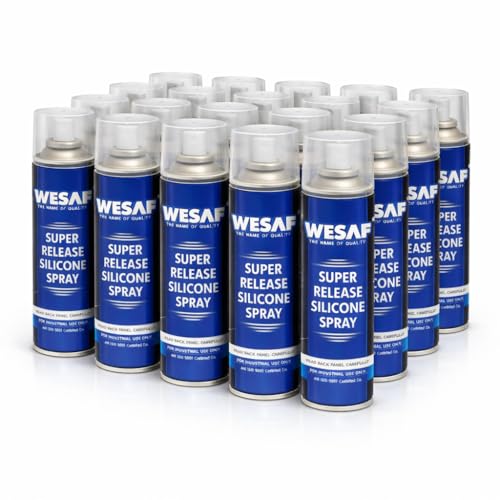
- Super Silicone Spray is multi-purpose silicone spray for general lubrication and Mold Release specifically for Injection…
- Super Silicon Spray is a spray-on coating that can be applied to most surfaces to protect against corrosion, oxidation a…
- Super Silicon Spray can be used on plastics such as polythene, PVC, Teflon and rubber. In addition it can be used on gla…
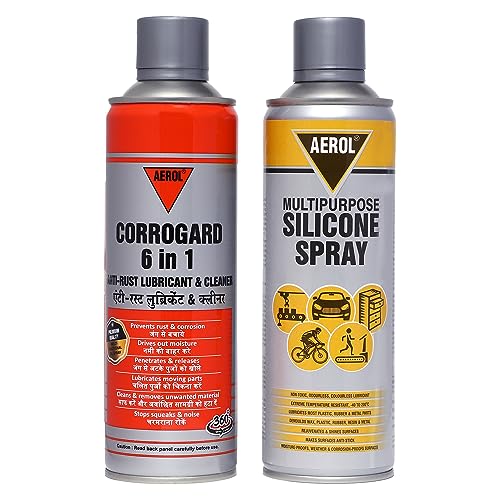
- COMPLETE MAINTENANCE SOLUTION: Combo of Aerol Silicone Lubricant Spray and Aerol Corrogard 6 in 1 Oil Spray for total lu…
- SILICONE SPRAY – MULTIPURPOSE LUBRICANT: Solvent-free, non-toxic spray that lubricates and protects plastic, rubber, and…
- CORROGARD 6 IN 1 – ANTI-RUST CLEANER & LUBRICANT: Prevents rust, drives out moisture, penetrates and loosens jammed part…
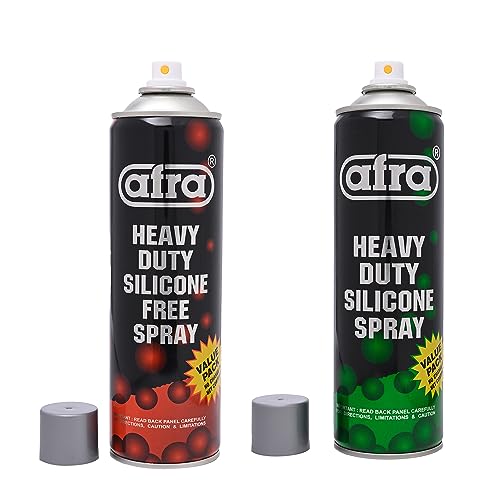
- AFRA HEAVY DUTY SILICONE SPRAY for Mold Release is Silicone based aerosol preparations and are available as several grad…
- Free from chlorinated solvents, Class I & Class II Ozone Depleting substances.Special propellant gas with optimized prop…
- Wide serviceable temperature of sprayed film, from -40 to 200°C, enables use on hot and cold moulds.
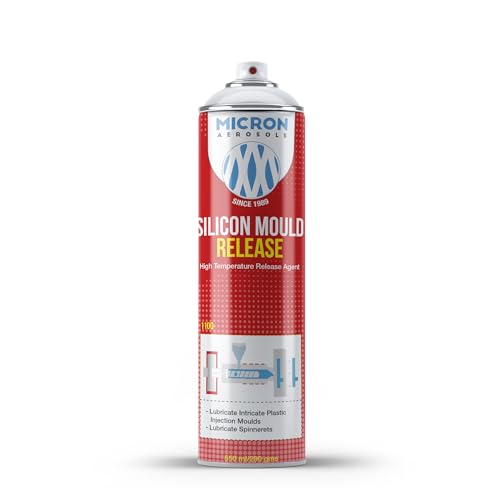
- Heavy Duty Silicone Spray for Mold Release is Silicone based aerosol preparations and are available as several grades sp…
- Mold Release Agent s for most injection molded plastics, metals, resins, waxes etc. They also rejuvenate rubber, plastic…
- Free from chlorinated solvents, Class I & Class II Ozone Depleting substances. Special propellant gas with optimized pro…
Basic Principle of Injection Moulding
The fundamental principle of injection moulding involves melting, injecting, cooling, and ejecting thermoplastic material in a cyclic manner.
Simple Process Explanation:
- Plastic granules are fed into a heated barrel.
- The material is melted using heaters and shear generated by a rotating screw.
- Molten plastic is injected into a closed mould under high pressure.
- The plastic cools and solidifies inside the mould.
- The mould opens and the finished part is ejected.
This cycle repeats continuously, enabling mass production with consistent quality.
Injection Moulding Machine Components
An injection moulding machine consists of three major units:
1. Injection Unit
- Hopper
- Heated barrel
- Reciprocating screw
- Nozzle
2. Clamping Unit
- Fixed platen
- Moving platen
- Tie bars
- Clamping mechanism (hydraulic or toggle)
3. Mould
- Core and cavity
- Runner system
- Cooling channels
- Ejection system
Injection Moulding Process Steps
Step 1: Material Feeding
Plastic raw materials (granules or pellets) are fed into the hopper. These materials may include additives like color masterbatch, UV stabilizers, or fillers.
Step 2: Plasticizing
The rotating screw conveys the material forward while heaters melt it. The combination of heat and shear transforms solid pellets into a homogeneous molten mass.
Step 3: Injection
The screw moves forward like a plunger, injecting molten plastic into the closed mould at high pressure (typically 500–2000 bar).
Step 4: Holding and Packing
Additional pressure is applied to compensate for material shrinkage during cooling, ensuring accurate weight and dimensions.
Step 5: Cooling
The plastic cools and solidifies inside the mould through cooling channels circulating water or oil.
Step 6: Ejection
The mould opens, and ejector pins push the finished part out.
Common Raw Materials Used in Injection Moulding
Injection moulding supports a wide range of thermoplastic materials.
| Material | Key Properties | Typical Applications |
|---|---|---|
| Polypropylene (PP) | Lightweight, chemical resistant | Containers, automotive parts |
| Polyethylene (HDPE/LDPE) | Tough, flexible | Caps, lids, bottles |
| ABS | High impact strength | Consumer electronics, toys |
| Polystyrene (PS) | Good clarity | Disposable cutlery |
| Nylon (PA) | High strength, wear resistant | Gears, bearings |
| Polycarbonate (PC) | Transparent, high impact | Lenses, safety components |
Advantages of Injection Moulding
Injection moulding offers numerous advantages that make it the preferred choice for mass production.
1. Accuracy in Weight of Moulded Materials
Injection moulding ensures excellent control over part weight due to precise metering of molten plastic. This consistency is critical for industries like medical and automotive manufacturing.
2. Choice of Desired Surface Finish and Colors
The process allows:
- Glossy, matte, or textured finishes
- Wide range of colors using masterbatch
- Mold-in textures without secondary finishing
3. Choice of Ultimate Strength of Moulded Articles
By selecting appropriate raw materials and fillers (glass fiber, mineral fillers), manufacturers can tailor:
- Tensile strength
- Impact resistance
- Heat resistance
4. Faster Production and Lower Rejection Rates
Injection moulding is a high-speed process with:
- Short cycle times
- Automated operation
- Minimal human error
This results in lower rejection rates compared to other forming methods.
5. Faster Start-Up and Shut-Down Procedure
Once the machine parameters are set:
- Production can start quickly
- Shutdown involves minimal material loss
This improves operational efficiency.
6. Minimum Wastage
- Scrap material can be re-ground and reused
- No trimming or cutting losses
- High material utilization efficiency
7. Stability of Processing Parameters
Injection moulding machines provide:
- Precise control of temperature
- Accurate pressure regulation
- Repeatable cycles
This ensures consistent part quality over long production runs.
8. Versatility in Processing Different Raw Materials
A single injection moulding machine can process:
- Multiple polymers
- Filled and unfilled materials
- Engineering plastics
9. Option in Article Size by Changing the Mould
The same machine can produce different products by simply changing the mould, making it a flexible manufacturing solution.
10. Minimum Post-Moulding Operations
Injection moulded parts often require:
- No machining
- No painting
- No finishing
This reduces labor and production cost.
Limitations of Injection Moulding
Despite its advantages, injection moulding has some limitations:
- High initial mould cost
- Long lead time for mould manufacturing
- Not economical for very small production quantities
- Design changes can be expensive once mould is made
Injection Mould Design Considerations
Proper mould design is essential for successful injection moulding.
Key Factors:
- Wall thickness uniformity
- Proper gate location
- Adequate draft angles
- Efficient cooling channel layout
- Balanced runner system
Injection Moulding Process Parameters
| Parameter | Typical Range | Importance |
|---|---|---|
| Melt Temperature | 180–320°C | Material flow |
| Injection Pressure | 500–2000 bar | Cavity filling |
| Clamp Force | 50–5000 tons | Prevent flash |
| Cycle Time | 5–60 seconds | Productivity |
| Cooling Time | 30–60% of cycle | Part stability |
Industrial Applications of Injection Moulding
Injection moulding is used across multiple industries.
Automotive Industry
- Dashboard components
- Clips and fasteners
- Battery housings
Medical Industry
- Syringes
- IV components
- Diagnostic housings
Consumer Goods
- Kitchenware
- Storage containers
- Toys
Electrical & Electronics
- Switch housings
- Connectors
- Cable management systems
Packaging Industry
- Caps and closures
- Thin-wall containers
- Cosmetic packaging
Practical Example: Plastic Bottle Cap Manufacturing
A plastic bottle cap manufacturer uses injection moulding to produce millions of caps daily.
Process Highlights:
- Material: HDPE
- Cycle time: 6 seconds
- Cavities: 48 per mould
- Rejection rate: <1%
- Post-processing: None
This demonstrates how injection moulding enables high-volume, cost-effective production.
Comparison with Other Plastic Processing Methods
| Process | Accuracy | Speed | Waste | Complexity |
|---|---|---|---|---|
| Injection Moulding | Very High | Very Fast | Very Low | High |
| Blow Moulding | Medium | Fast | Low | Medium |
| Extrusion | Low | Continuous | Low | Low |
| Compression Moulding | Medium | Slow | Medium | Medium |
Future Trends in Injection Moulding
- Electric injection moulding machines
- Smart moulds with sensors
- Use of biodegradable plastics
- Industry 4.0 integration
- High-speed thin-wall moulding
Conclusion
Injection moulding is a highly efficient and versatile plastic processing technique that enables the production of complex, high-quality components with excellent accuracy, repeatability, and minimal waste. Its advantages—such as faster production, stability of processing parameters, flexibility in material selection, and minimal post-moulding operations—make it indispensable in modern manufacturing.
Although the initial investment in moulds is high, the long-term benefits in large-scale production far outweigh the costs. With continuous advancements in machinery, materials, and automation, injection moulding will remain a cornerstone of the plastics industry for decades to come.